Free Shipping:Orders $99 and Up
What Makes a Good EDC Knife?
By Jim Cobb
EDC is a hugely popular niche these days. While the basic concept behind it has been around pretty much since the invention of pockets, in recent years it’s taken on a life of its own.
But what is EDC and how do knives come into play with it?
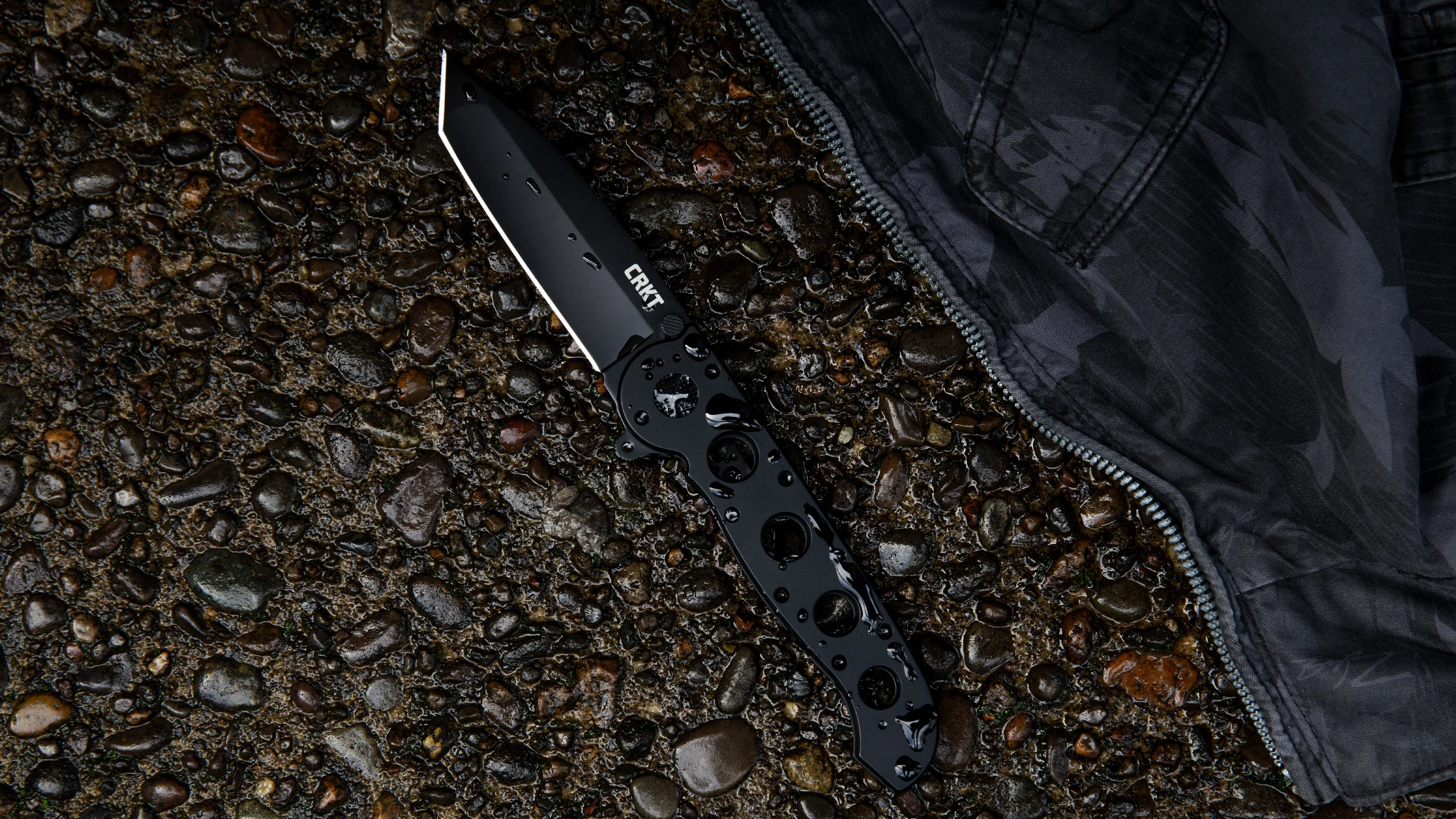
What is EDC?
EDC stands for everyday carry, and it refers to the gear you keep with you to solve problems and otherwise meet your needs throughout the day. These items are often carried on your person, but many people also carry a separate pack or bag that may have some additional EDC gear. Of course, a knife typically tops most of today’s EDC lists. It’s one of mankind’s oldest tools and has been part of EDC seemingly forever.
What Are Some Common EDC Items?
In addition to a knife, there are several other things people routinely carry to meet their day-to-day needs, including:
Wallet
Cell phone
Pocket flashlight
Pen or pencil
Multi-tool
Watch
Defense weapon
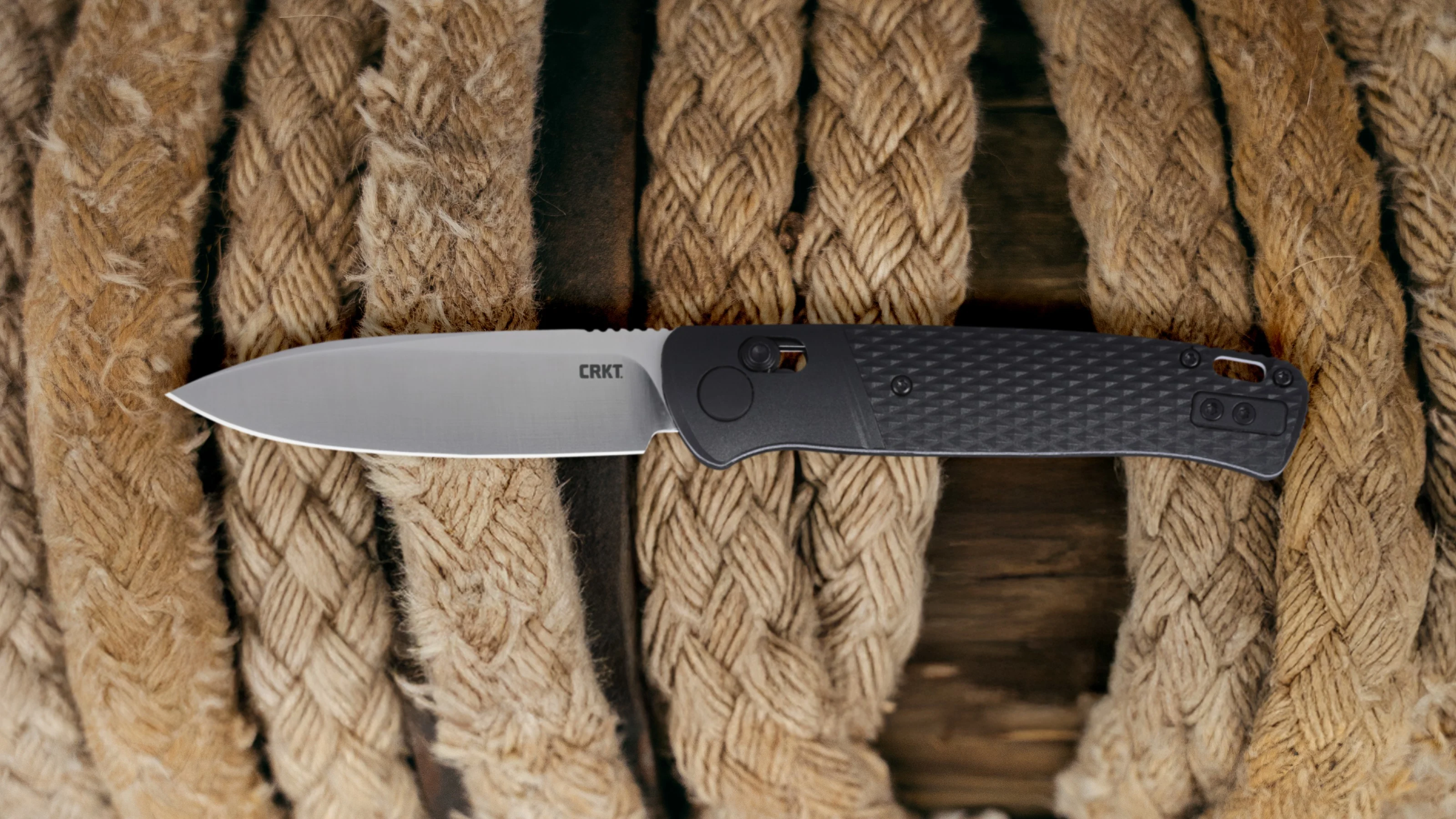
What Makes a Good EDC Knife?
When you are shopping for an EDC pocket knife, there are several features or attributes that are desirable.
1) Weight: a lightweight EDC pocket knife is easier to carry than one that feels like a boat anchor. You want something that’s going to be comfortable in your pocket as well as in your hand. A great example of a lightweight EDC knife is the K430KXP Counterpart. It tips the scales at just 2.1 ounces.
2) Lock: most people choose a folding knife for EDC. That being the case, it should have a strong and reliable lock so there’s little opportunity for the blade to snap shut unexpectedly. The 7075 Q Compact has a crossbar lock, which is a high-confidence locking mechanism.
3) Pocket clip: many users prefer to have a clip on their EDC pocket knife to secure it where they like to carry it in their pocket. The 6450K Drifter is a good example of a deep carry pocket clip. Others don’t worry much about a clip and just drop the knife into their pocket. Carry style is very much a personal preference.
4) Blade length: this is a decision that may be impacted by local laws. In some areas, knife blades over three inches may be forbidden for EDC. The American Knife & Tool Institute has a handy guide to the knife laws in each state.
Does Knife Steel Matter?
This is where you could easily do a deep dive into the chemical composition of various steels and not come up for air for a week or more and still have a lot to learn. To keep things simple, the basic choice is stainless steel or carbon steel. Speaking in very general terms, stainless steel will hold an edge longer and has better corrosion resistance, but it’s more difficult to sharpen. Carbon steel is easier to sharpen but loses its edge quicker and is more prone to corrosion like rust. If you live or work in a wet or humid environment, you’ll definitely want your EDC knife to be stainless steel. Check out CRKT’s blade steel guide for a deep dive on the blade steels we use and why.
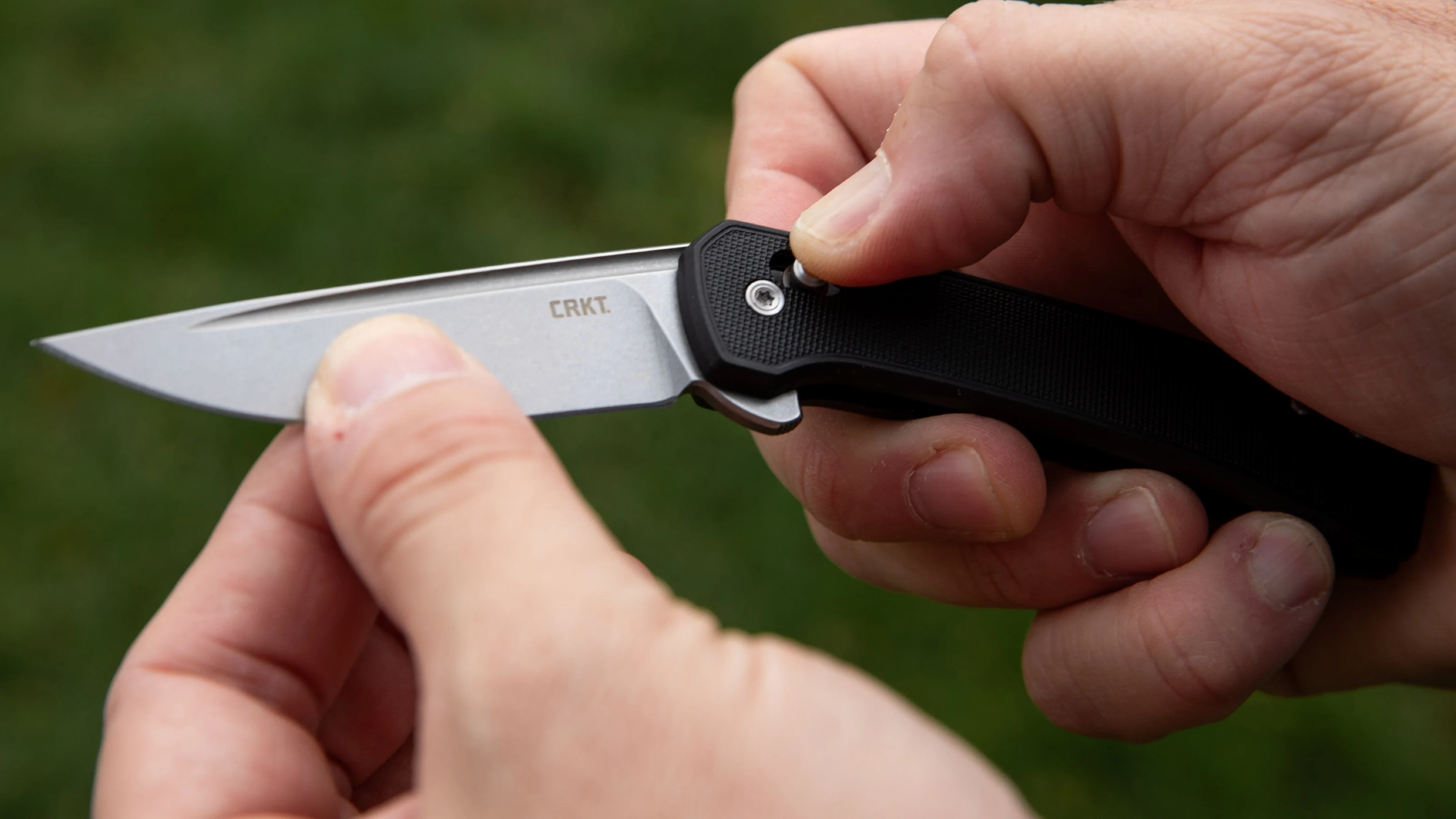
What’s a Good Blade Length for an Everyday Carry Knife?
Setting aside the potential for legal limitations, a good EDC pocket knife will have a blade no longer than four inches. Something around 3.5 inches to 3.75 inches is the sweet spot for many users. The 3810 LCK+ has a blade that runs 3.62 inches, which is near perfect.
Does the Blade Shape Matter?
The shape or profile of the blade will influence the type of work it will be best suited to handle. The 7097 CEO Flipper has a thin blade with a sweeping belly, which is great for slicing. Think cutting up an apple or sausage for lunch. The M16-04KS, on the other hand, has an angular tanto blade profile. This is good for piercing and other rough chores.
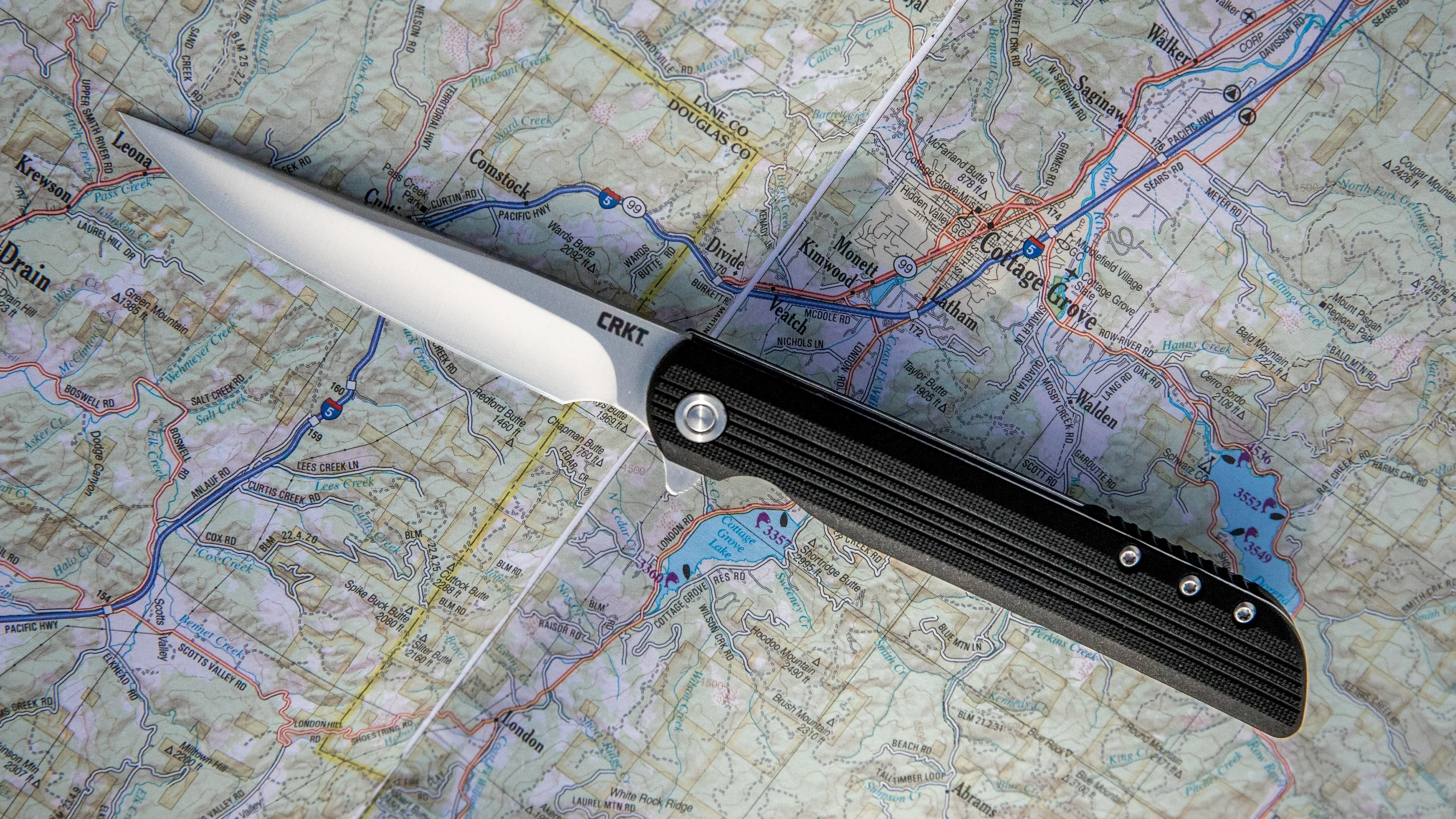
How Does the EDC Knife’s Blade Deploy?
This is one more consideration as you weigh your EDC pocket knife options. There are a few different opening styles for folding knives. The flipper style, as you’ll find with the 7075 Q Compact, has a small tab that extends from the blade through the handle when it’s closed. Press it with your finger and the blade swings open and snaps into place. The 6450K Drifter has a thumb stud that’s used to open the blade.
How Do You Choose the Ideal EDC Knife?
The best knife for one person might not be the best option for the next. Consider the most common things you need a knife for in your daily life, then find a knife that’s well-suited for those sorts of chores. The mission drives the gear, as they say in the military.
Jim Cobb
Jim Cobb is an author and editor who has spent nearly four decades studying and practicing preparedness and survival skills. He has written books on disaster readiness and self-reliance and serves as editor in chief of Backwoods Survival Guide. A lifelong knife enthusiast, Jim has reviewed hundreds of blades and pieces of outdoor gear, bringing a practical eye to knife selection, use, and care. His work focuses on useful skills and clear advice people can put into practice.